
eSIMify

Best eSIM for Peru

Cheapest Peru eSIM plans — instant QR delivery, high-speed data, no roaming fees.

15 standard plans

How long are you away?

Destination guide

Why use an eSIM in Peru?

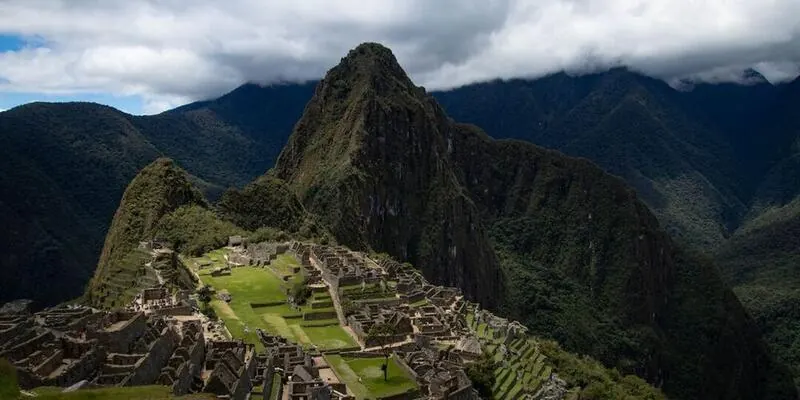
The queue you want to avoid is the one at Jorge Chávez (LIM) after a long overnight flight, where buying a Peruvian prepaid SIM means finding a counter and having it registered against your passport before it works. Peru is a country you navigate by phone: confirming a Cusco pickup, checking whether the train to Aguas Calientes is running, re-booking a Sacred Valley day tour after altitude changes your plans, translating a menu in Arequipa. Most visitors also arrive with a tight, fixed itinerary — flights between Lima, Cusco and Puno leave little slack, and losing a morning to a SIM errand costs you a site visit. A travel eSIM installed at home means you step off the plane already connected and hand your first taxi a pinned address. See the plans above.
Best Peru eSIM for tourists: what to look for

Peru trips run long — ten to fourteen days is typical once Machu Picchu, the Sacred Valley and either Arequipa or Lake Titicaca are on the list — so pick validity generously rather than trying to fit a classic circuit into a week-long plan. Data use is moderate but constant: offline maps need downloading and tour operators confirm by WhatsApp. 5G exists in Lima and parts of the larger cities; everywhere else the realistic expectation is solid 4G. You do not need a Peruvian number — ride-hailing and booking apps run on the account you already have. If Peru is part of a longer South American run through Bolivia or Chile, weigh the single-country plan against a South America regional plan. Top up by buying a second plan, which queues behind the first, and confirm your handset on the device page.

Networks and coverage: where your eSIM works

Claro, Movistar, Entel and Bitel all operate in Peru, and your eSIM latches on to whichever partner network is strongest rather than sticking to one. Coverage follows population and roads: the coastal strip and the Andean cities are well served, while the high passes, the Colca canyon rim and the Amazon east of Iquitos thin out quickly. Expect no usable signal on the Inca Trail itself.

  • Lima — the fastest data in the country, 5G in parts of Miraflores and San Isidro
  • Cusco — dependable in the city and around the Plaza de Armas
  • Arequipa and Puno — good in town, patchy on the altiplano road between them
  • Aguas Calientes and the Sacred Valley — workable in the villages, absent on the trails

Peru eSIM vs local SIM vs roaming

Travel eSIM (eSIMify)Local SIMHome-carrier roaming
Installed before you fly; connects on landing at LIMAirport counter or a city shop, with registration before it worksNothing to set up
One prepaid amount for the whole circuitAirport counters charge a premium over shops in MirafloresLong South American trips make daily roaming the costliest option
Home number stays live for OTPsHome SIM comes out and can be lost in transitNumber unchanged
Data only, no Peruvian numberPeruvian number includedHome number only
Partner 4G/5G, switching as you climbOne operator, whose Andean coverage variesFrequently throttled below local speed
No passport neededPassport registration is requiredNot applicable
Two-week tourist circuitsMonths of study, volunteering or workVery short business stops in Lima

For a standard Lima–Cusco–Sacred Valley trip the eSIM wins on time saved and on not carrying a second SIM through four internal flights. Take a local SIM if you are staying for months and want a Peruvian number people can ring. Roaming makes sense only for a two-day Lima meeting.

How to activate your Peru eSIM

  1. Buy the plan above; the QR code arrives by email in minutes.
  2. iPhone on iOS 17.4 or later: tap the install link. Otherwise Settings, then Mobile Data, then Add eSIM.
  3. Android: Settings, then Connections or Network, then SIM manager, then Add eSIM, then scan the QR code.
  4. Label the line Peru so it is easy to identify.
  5. Turn Data Roaming on for the eSIM line and mobile data off on your home SIM, which stays active for calls and OTPs.
  6. Once you land at Jorge Chávez in Lima, select the eSIM as your data line. Your validity starts at that first connection, so nothing is wasted while you are in the air.

When should I install my Peru eSIM?

Install a few days before departure, at home on Wi-Fi, and then leave the line switched off. The plan only begins counting when the eSIM first registers on a Peruvian network, so early installation costs nothing and spares you fiddling with settings while jet-lagged in a Lima arrivals hall. Many routes into Peru connect through Bogotá, Panama City or Madrid — keep the eSIM off during those layovers and switch it on after you land in Lima.

Last verified 5 Sep 2026 · by eSIMify Editorial Team

Peru eSIM by city

Travel connected

Why choose eSIMify for Peru?

Instant activation

Connect the moment you land — no airport SIM kiosk.

Premium coverage

Auto-connect to the strongest local 5G/4G networks.

No roaming fees

Pay local prices — no surprise bills back home.

How it works

  1. 1

    Check compatibility

    Make sure your phone is eSIM-compatible and carrier-unlocked.

  2. 2

    Buy & receive

    Choose your plan and get a QR code by email instantly after payment.

  3. 3

    Scan & connect

    Scan the QR code in your phone settings and activate your data in seconds.

Activate your eSIM

Frequently asked questions

Yes. Cusco city has dependable service, and the Sacred Valley towns of Pisac, Urubamba and Ollantaytambo are covered. Signal disappears on the Inca Trail and on the higher passes, so download offline maps and your train times before you set out.

Selected 1 GB · 3 days